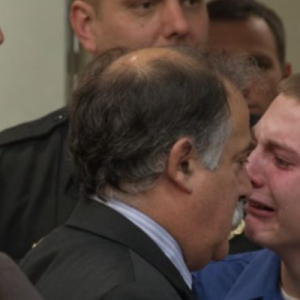
The number hit like a punch to the chest. Four hundred fifty-two years. A sentence so long it feels less like time and more like a verdict on a human life itself. A teenager walked into a courtroom and watched his entire future sealed in minutes. One choice.
There is a haunting stillness in the idea that a life once filled with ordinary teenage worries—grades, friendships, vague dreams about the future—can be reduced to a number no human could ever live to complete. The courtroom did what it was designed to do: apply laws, stack charges, translate harm into years. Yet somewhere between the legal logic and the final total, a deeper unease settles in. What does it mean to declare a teenager beyond the reach of time itself?
This story lingers because it forces us to look past headlines and into the fragile gap between impulse and consequence. It asks whether accountability must always mean erasure, and how we should treat young people who cause irrevocable harm. It is not a defense, nor a simple condemnation. It is a mirror, held up to our belief in second chances, our fear of violence, and our quiet recognition that any life can pivot, forever, in a few unthinking seconds.