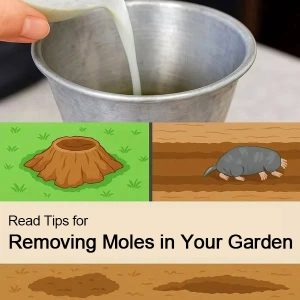
Learn how to effectively manage and remove moles from your garden using safe, practical, and humane methods. This guide offers step-by-step tips to protect your plants and maintain a thriving outdoor space.
Identifying mole activity early is crucial for effective management. Look for raised tunnels or ridges snaking across your lawn, which are clear indicators of moles digging just beneath the surface. Mounds of soil, often mistaken for gopher activity, are also telltale signs where moles have excavated deeper tunnels. Additionally, keep an eye on your plants; unexplained wilting can occur if mole tunnels disrupt their root systems. Before taking any action, confirm that moles are indeed the culprits to avoid unnecessary intervention. Proper identification ensures that your efforts are targeted and effective.
Discover the latest offers on humane mole removal tools and garden care products to help keep your outdoor space healthy and mole-free.Moles are insectivores, primarily feeding on grubs, earthworms, and other soil-dwelling invertebrates. Their extensive tunnel systems serve as both hunting grounds and living spaces. While moles can aerate the soil, their tunneling can also disrupt plant roots and create unsightly mounds. Understanding these habits is key to effective management. For instance, knowing their diet helps in targeting their food sources, while understanding their tunnel systems aids in strategically placing deterrents or traps. By aligning your management plan with mole behavior, you can achieve more sustainable and humane results.
Humane Methods for Mole Removal
When it comes to mole removal, humane methods are both ethical and effective. Live traps allow you to capture moles without harming them, so you can relocate them to a more suitable environment away from your garden. Encouraging natural predators, such as owls and cats, can also help control mole populations. Non-lethal deterrents, like castor oil-based repellents or ultrasonic devices, can discourage moles from tunneling in your garden. It’s important to avoid harmful chemicals or poisons, as these can have unintended consequences for other wildlife and your garden’s ecosystem. Choose methods that respect wildlife while protecting your plants.
When to Seek Professional Assistance
While many mole problems can be managed with DIY methods, there are times when professional pest control services are beneficial. If you have a large-scale infestation or have tried various methods without success, a professional can offer specialized expertise and tools. They can accurately assess the extent of the problem, identify mole entry points, and implement targeted removal strategies. Expect professionals to use a combination of trapping, repellents, and habitat modification techniques. While it may be a more costly option, professional assistance can provide a long-term solution and prevent further damage to your garden. Consider this option when the problem is beyond your control.