Identifying Mole Activity in Your Garden
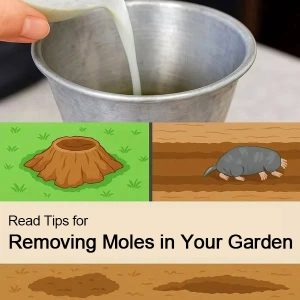
The signs of mole activity in gardens are typically quite distinct. Look for raised tunnels or ridges snaking across your lawn, which are created as moles burrow just beneath the surface. Molehills, which are mounds of excavated soil, are another telltale sign. You might also notice disturbed plants, as mole activity can disrupt their root systems. Moles are often attracted to gardens in search of food, primarily earthworms and grubs. While they don’t eat plant roots, their tunneling can damage lawns and garden beds, leading to aesthetic and structural problems.
Humane Deterrent Methods
When deterring moles, humane methods are both effective and environmentally responsible. Natural repellents, such as castor oil-based products, can make the soil less appealing to moles. Sonic devices that emit vibrations can also discourage them from inhabiting the area. Encouraging natural predators like owls and cats can help keep mole populations in check. It’s crucial to select deterrents that are safe for the environment, avoiding chemicals that could harm other wildlife or contaminate the soil. Regularly applying these humane methods can help manage mole activity without resorting to harmful tactics.
Safe Use of Mole Traps
If more passive methods prove insufficient, mole traps can be used safely and effectively. Placement is key: identify active tunnels and set traps within them, following the manufacturer’s instructions carefully. Always use caution when handling traps to avoid injury. There are several types of mole traps available, including scissor-jaw, harpoon, and tunnel traps; each has its own advantages and disadvantages. Before using traps, check local regulations, as some areas may have restrictions on trapping. When properly used, traps can be a targeted solution for controlling mole populations.
Restoring Your Garden After Mole Activity
After addressing mole activity, restoring your garden is essential to regain its health and appearance. Start by leveling molehills, spreading the soil evenly over the affected area. Reseed any bare patches of grass, and consider adding a layer of compost to improve soil structure. For flowerbeds, gently firm the soil around disturbed plants and water them thoroughly. Improving overall soil health can make your garden less attractive to moles in the future. Regular maintenance, such as aeration and proper watering, will help your lawn and garden recover and thrive.